 By admin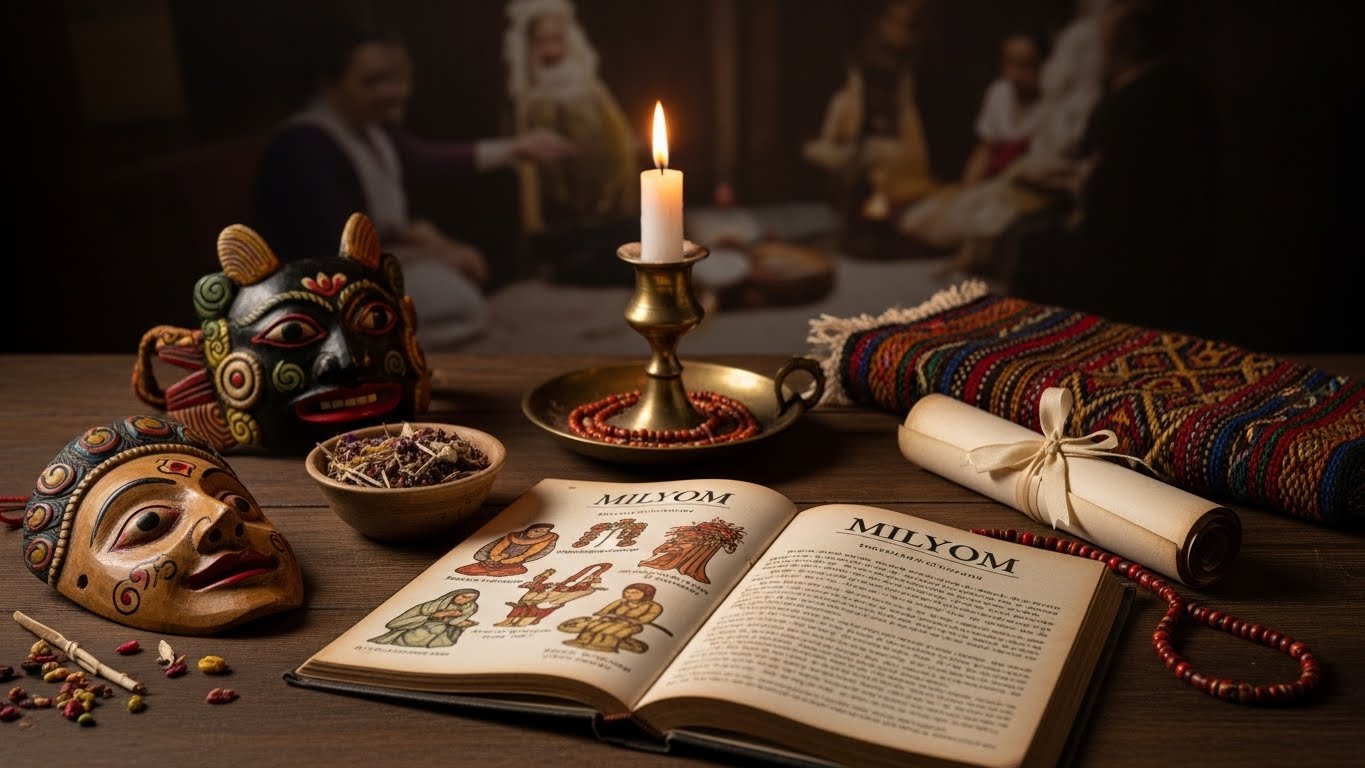
Welcome to the vibrant world of Milyom, a rich tapestry woven with traditions and practices that resonate deeply within its community. This unique cultural phenomenon is not just an ancient relic; it represents the heartbeat of those who embrace it. Discovering Milyom invites you on a journey through time, exploring how these customs shape identities and foster connections among people. As we delve into its significance, prepare to be captivated by stories, rituals, and the undeniable spirit that makes Milyom truly special. Whether you’re familiar with this culture or new to its wonders, there’s something here for everyone!
The Origins of Milyom: A Brief History
Milyom has deep roots, tracing back centuries. Its origins are woven into the fabric of cultural heritage and ancestral practices.
Historically, Milyom was a communal event that forged connections within tribes. It often served as a celebration of harvests or significant life milestones. Oral traditions passed down stories and rituals from generation to generation.
Various influences shaped its evolution over time. As communities interacted through trade and migration, Milyom absorbed elements from neighboring cultures while retaining its core identity.
Artifacts unearthed at ancient sites hint at the significance of these gatherings. They reveal an unbroken line of tradition that continues to thrive today.
Through festivals, music, and dance, Milyom tells a story—one filled with resilience and unity among people who honor their past while looking toward the future.
Traditional Practices and Rituals of Milyom
Traditional practices and rituals of Milyom are deeply woven into the fabric of community life. They often revolve around key events such as harvests, weddings, and rites of passage. Each ceremony is a colorful tapestry showcasing music, dance, and storytelling.
One notable ritual involves the gathering of families to honor ancestors. This event not only strengthens bonds but also serves as a reminder of shared history. Participants wear traditional attire that signifies their heritage.
Another prominent practice is the communal feasting that follows significant milestones. Dishes prepared during these gatherings highlight local ingredients and culinary methods passed down through generations.
Artistic expressions play a crucial role too—handcrafted items tell stories unique to Milyom culture. These creations celebrate both individuality and collective identity, ensuring that each piece carries meaning beyond mere decoration.
Through these vibrant traditions, Milyom nurtures a sense of belonging among its people while preserving cultural wisdom for future generations.
How Milyom Shapes Identity and Community
Milyom plays a crucial role in shaping individual and collective identities. It acts as a cultural anchor, connecting people to their heritage and traditions. Each practice holds stories that resonate deeply within the community.
Through shared experiences during Milyom celebrations, bonds are forged among participants. These rituals create a sense of belonging that transcends generations. They weave together diverse backgrounds into a rich tapestry of identity.
Community members often find pride in their unique customs associated with Milyom. This pride fosters unity, encouraging collaboration and support within neighborhoods.
Moreover, participation in Milyom can empower individuals to embrace their roots while navigating modern challenges. As they engage with these traditions, they cultivate resilience against external pressures threatening cultural integrity.
The vibrant expressions of Milyom not only enhance personal identity but also reinforce communal ties. This interdependence enriches both the present moment and future possibilities for all involved.
Contemporary Adaptations of Milyom
Milyom is not static; it evolves with the times. Today, younger generations are reinterpreting traditions, infusing them with modern sensibilities. This fusion brings fresh life to ancient practices.
Social media plays a crucial role in this transformation. Platforms showcase Milyom’s vibrant rituals and festivals, connecting communities worldwide. Through shared content, cultural pride flourishes beyond local borders.
Art forms also reflect contemporary adaptations. Musicians and artists blend traditional sounds or motifs with modern styles, creating unique expressions of identity that resonate widely.
Workshops and community events now incorporate innovative elements to attract participation from all ages. By making these experiences interactive, organizers ensure that the essence of Milyom continues to thrive amid changing landscapes.
This dynamic evolution demonstrates how traditions can coexist alongside modernization while retaining their core significance within society.
The Impact of Modernization on Milyom
Modernization presents both challenges and opportunities for Milyom. As urban landscapes rise, traditional practices often face the risk of fading away. Younger generations encounter a blend of global influences that can dilute their connection to cultural roots.
Yet, this shift also sparks innovation within Milyom traditions. Artists and storytellers are finding new platforms to showcase their heritage. Social media serves as a bridge, allowing vibrant expressions of culture to gain visibility beyond local confines.
Additionally, modernization encourages dialogue between old and new ways of life. It fosters an environment where traditions can evolve while still being celebrated. This dynamic interaction breathes fresh energy into age-old customs.
Navigating these changes requires balance—honoring tradition while embracing progress allows Milyom culture to thrive in today’s fast-paced world.
Preserving and Celebrating Milyom in Today’s Society
Preserving Milyom in today’s society takes on many forms. Communities come together to celebrate their heritage through festivals and gatherings. These events showcase traditional music, dance, and art, allowing younger generations to experience the vibrancy of their culture.
Educational initiatives play a crucial role as well. Schools incorporate Milyom teachings into their curriculums, fostering pride and understanding among students. Workshops focusing on crafts or culinary traditions connect individuals with their roots.
Social media also aids in the celebration of Milyom. Platforms serve as a space for sharing stories, showcasing customs, and promoting local artisans. This digital presence helps reach a wider audience eager to learn about this rich cultural tapestry.
Local organizations work tirelessly to document oral histories too. By recording elders’ tales and practices, they ensure that these invaluable legacies endure for future generations to appreciate and embrace with open hearts.
Embracing the Richness of Milyom Culture
Embracing the richness of Milyom culture invites us to dive deep into its vibrant tapestry. It’s an experience that transcends mere observation; it demands participation and appreciation.
Communities come alive through festivals, storytelling, and art. Each ritual adds layers to a shared identity, fostering connections among individuals. These moments capture the essence of life itself—joy, sorrow, growth.
Artisans breathe life into traditional crafts that have been passed down generations. Their work embodies history while simultaneously making space for contemporary interpretations.
Culinary practices also play a vital role in this cultural journey. The flavors tell stories of heritage and innovation alike.
Engaging with Milyom is about more than preservation; it’s about celebrating evolution within tradition. Every generation contributes its voice to this ongoing narrative, enriching the cultural landscape as they do so.
Conclusion
Milyom is more than just a collection of traditions; it embodies the spirit and identity of its people. Through centuries, it has woven together stories, customs, and rituals that reflect the values and beliefs held dear by many communities.
As we navigate a rapidly changing world, Milyom continues to adapt. It finds itself at the crossroads between ancient practices and modern interpretations. Yet, its essence remains intact—a powerful reminder of cultural heritage.
Preserving is essential for future generations. Celebrating these traditions fosters a sense of belonging and unity among individuals who share this rich background. The beauty lies in how each person contributes uniquely while still honoring their roots.
Embracing encourages understanding and appreciation for diverse cultures. As society evolves, so too does the way we connect with our pasts through these vibrant customs.