 By admin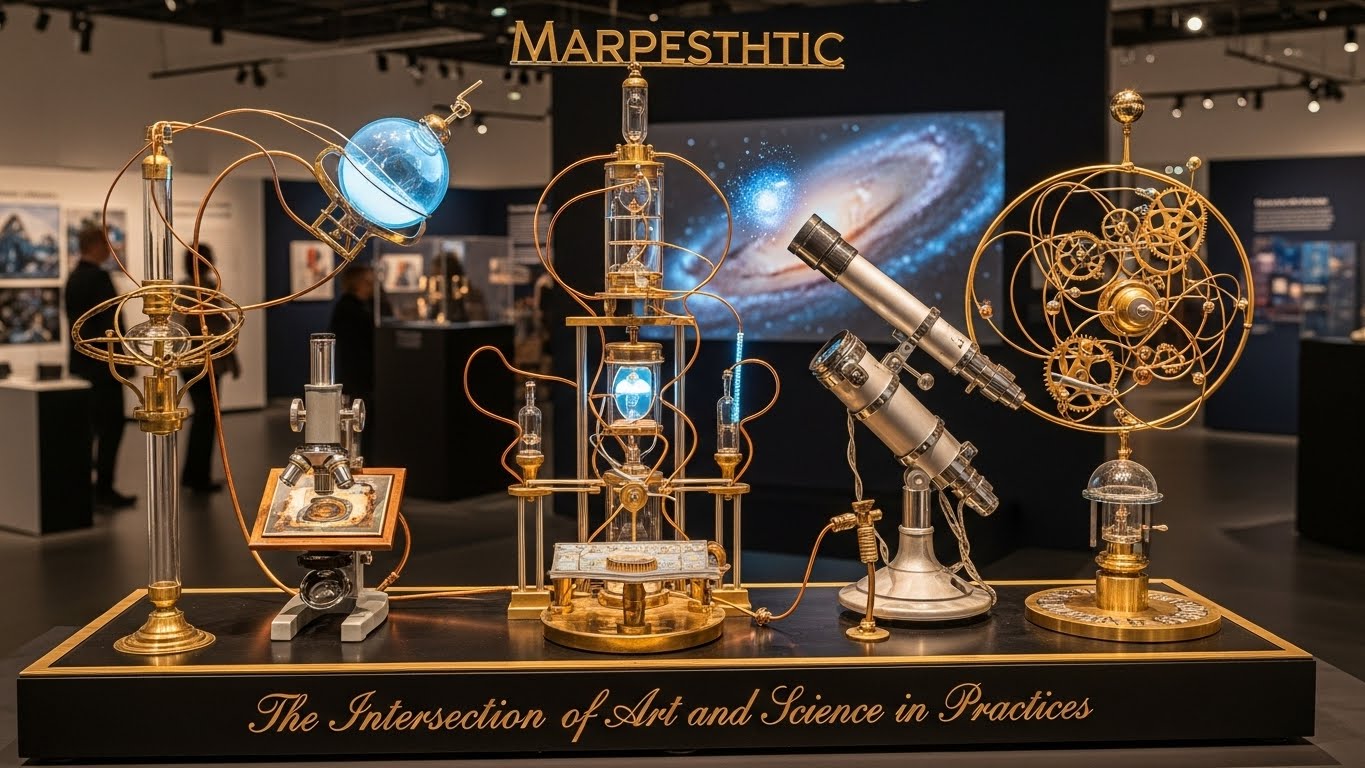
Imagine a world where art and science coalesce, creating something truly magnificent. This fascinating fusion is known as Marpesthtic. It transcends the traditional boundaries that separate these two disciplines, allowing them to enrich each other in unexpected ways. As we delve into this captivating concept, you’ll discover how Marpesthtic practices are reshaping industries and inspiring creativity across various fields.
From healthcare to technology, the interplay of artistic expression and scientific inquiry can unlock innovative solutions and foster deeper connections. So let’s embark on an exploration of Marpesthtic: its definition, historical context, transformative benefits, real-life applications, challenges it faces today, and tips on cultivating a mindset that embraces this unique blend of artistry and empirical thought. The journey promises to be enlightening!
The Definition of Marpesthtic
Marpesthtic is a term that embodies the harmonious relationship between art and science. It encapsulates practices where creativity meets empirical reasoning, resulting in innovative approaches to problem-solving.
This concept encourages a holistic view of knowledge. Rather than viewing art and science as opposing forces, Marpesthtic highlights their potential for collaboration.
In essence, it’s about blending artistic intuition with scientific rigor to create meaningful experiences and solutions. This fusion can be seen in various fields such as architecture, medicine, and environmental design.
Through Marpesthtic practices, artists and scientists alike push boundaries, challenging conventional thinking while fostering inspiration. The result? A richer understanding of both the human experience and the natural world around us.
Historical Context and Evolution of Marpesthtic Practices
Marpesthtic practices have roots that stretch back through centuries, intertwining art and science in captivating ways. Ancient civilizations often relied on artistic expressions to document scientific observations. The Egyptians used hieroglyphics not just for storytelling but also to capture astronomical phenomena.
During the Renaissance, a significant shift occurred. Artists like Leonardo da Vinci blurred the lines between disciplines. His anatomical sketches combined meticulous observation with artistry, laying groundwork for future marpesthtic endeavors.
As technology advanced, so did these practices. In the 19th century, photography emerged as a tool for scientists and artists alike. This innovation allowed for unprecedented accuracy in capturing details of nature while fostering creative exploration.
Today’s understanding of marpesthtic is shaped by diverse influences—from traditional techniques to contemporary digital mediums—reflecting an ongoing evolution that continues to inspire collaboration across fields.
The Benefits of Incorporating Art in Scientific Fields
Incorporating art into scientific fields fosters innovation. When creativity meets logic, new ideas emerge. This blend encourages scientists to think outside the box.
Art enhances communication as well. Complex concepts become accessible through visual representation. Infographics and illustrations simplify data interpretation for wider audiences.
Moreover, artistic practices can improve problem-solving skills. Engaging with creative processes promotes divergent thinking. Scientists learn to approach challenges from various angles, leading to unexpected solutions.
The emotional aspect of art also plays a role in science. It helps create empathy towards research subjects and communities affected by scientific advancements. This emotional connection drives more meaningful inquiry and ethical considerations.
Integrating art cultivates collaboration among disciplines. Artists and scientists working together can yield groundbreaking results that neither could achieve alone. The synergy between these worlds enriches both fields profoundly.
Examples of Marpesthtic Applications in Real Life
Marpesthtic practices appear in various fields, showcasing the harmony between art and science. One notable example is in medical visualization. Artists collaborate with scientists to create lifelike models of anatomical structures, enhancing education for both students and professionals.
Another fascinating application can be found in environmental design. Architects use artistic principles while adhering to scientific standards to create sustainable buildings that are both functional and aesthetically pleasing.
In technology, user interface (UI) design thrives on Marpesthtic collaboration. Designers integrate psychological insights into their work, ensuring products are not only usable but also visually appealing.
Even within agriculture, farmers utilize artistic techniques when planning crop layouts or community gardens. This approach fosters biodiversity while creating beautiful green spaces that draw the eye.
Each of these examples illustrates how integrating creativity with scientific rigor enriches our world and enhances human experience across diverse sectors.
Challenges and Ethical Considerations Surrounding Marpesthtic
The integration of art and science in Marpesthtic practices raises several challenges. One significant concern is the potential for misinterpretation. Artistic representations can skew scientific data, leading to confusion rather than clarity.
Ethical dilemmas also emerge when considering the authenticity of creative expression versus scientific rigor. Striking a balance between these elements can be tricky, particularly in fields like medicine or environmental science where accurate representation is crucial.
Furthermore, funding sources pose ethical questions. When artistic projects rely on sponsorship from corporations with vested interests, it can compromise integrity and objectivity.
Open dialogue among artists, scientists, and ethicists is essential to navigate these complexities. Creating frameworks that uphold both creativity and accuracy will help ensure that Marpesthtic remains a beneficial intersection rather than a source of contention.
How to Cultivate a Marpesthtic Mindset
Cultivating a Marpesthtic mindset begins with embracing curiosity. Ask questions that blend artistic vision with scientific inquiry. This can lead to innovative solutions.
Next, immerse yourself in diverse disciplines. Explore art history alongside biology or chemistry. Such interdisciplinary exploration sparks creativity and fresh perspectives.
Practice mindfulness regularly. Being present enhances observation skills, vital for both artists and scientists alike. Notice nuances in your surroundings; they might inspire groundbreaking ideas.
Collaboration is key as well. Engage with others who think differently than you do. Diverse viewpoints can ignite new connections between art and science.
Embrace failure as part of the journey. Each setback provides valuable lessons that contribute to growth in both creative expression and analytical thinking. Nurturing resilience strengthens a Marpesthtic approach to challenges ahead.
Conclusion
Marpesthtic stands at a fascinating crossroads where art and science converge. This unique approach not only enriches our understanding of the world but also enhances various fields through creativity and innovation. From healthcare to environmental studies, embracing marpesthtic practices can lead to groundbreaking discoveries that benefit society as a whole.
As we explore this intersection further, it’s essential to acknowledge the challenges and ethical considerations involved in merging artistic expression with scientific inquiry. Sensitivity towards these issues is crucial for responsible practice.
Cultivating a marpesthtic mindset requires openness to new experiences and perspectives. It invites individuals from all backgrounds—scientists, artists, educators—to collaborate and share insights that transcend traditional boundaries.
The journey into the realm of marpesthtic encourages us to rethink how we approach problems, inviting imagination alongside analysis. By fostering an environment where both disciplines thrive together, we can unlock new solutions for some of humanity’s greatest challenges while enriching our collective experience as well. The future holds immense potential when art meets science in harmony.